

Bones pràctiques en entorns sanitaris — Lesbianes i bisexuals
Lesbians and bisexual women
The health information distributed in schools and through the media is cisheteronormative and patriarchal and, therefore, does not take into account women or people who fall outside cisheteronormativity. Currently there is a lack of information and awareness about sexual health among cis women who have sexual relations with other cis women. Conditions such as human papillomavirus (HPV), bacterial vaginosis, HIV and trichomoniasis are transmitted through sexual intercourse if appropriate precautions are not taken. Furthermore, it is essential that in gynaecological consultations, the heterosexuality of patients is no longer assumed and that protocols are implemented to eradicate stigmatisation.
Production context
These videos aim to highlight diversity and offer very simple guidelines on how small changes in medical practice can have a significant impact at a social level.
In addition to the guide for healthcare professionals, the project has promoted training sessions for healthcare staff, with the support of experts and activists Teopardo and Laura Vila Kremer. The videos complement the awareness-raising and training work, as they demonstrate how an inclusive approach could be implemented in a medical consultation.
Participatory process
The writing and production of this project was carried out entirely by the CàmeresiAcció team.
More videos
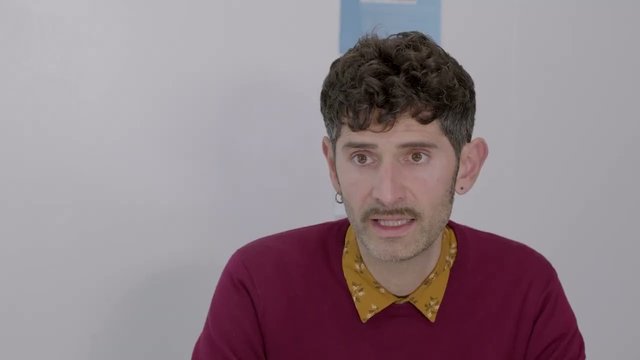
Gay and bisexual men
Homosexual and bisexual men are at greater risk of depression and anxiety than cisheterosexual men. The rejection of loved ones and the humiliating and discriminatory attitudes of society at large lead to isolation, frustration and, occasionally, concern for one’s own physical integrity. It is urgent that, in addition to being aware of the physical risks common to every sexual orientation, healthcare professionals understand and pay special attention to the threats to the emotional wellbeing and mental health of the LGTBQ+ community in order to create a safe environment and provide the necessary care.
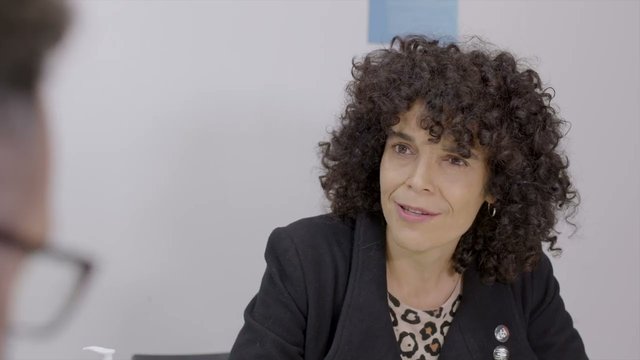
Trans people
Trans people face difficulties accessing healthcare. They are often treated by healthcare professionals who are unfamiliar with the protocol or who display discriminatory attitudes, which can result in an incorrect diagnosis or in the trans person refusing to seek professional help when needed.
They also face difficulties in accessing endocrinological and reproductive health treatments, as well as obstetric and sexual violence. It is necessary to have sensitised staff in order to create a safe space, and to promote and facilitate access to hormonal treatments and endocrinological, gynaecological and breast check-ups.
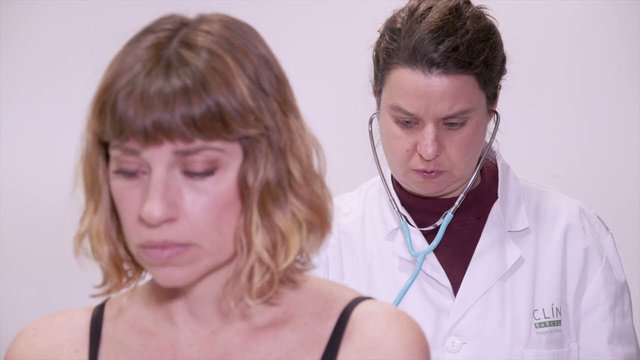
Unconventional practices
Although it is often a taboo subject, “unconventional” sexual methods are common and practised by a large part of society. These practices go beyond binary orientations, the limitations of body parts we might consider sexual, and “coitus-centrism”.
Whenever sexual activity is healthy, safe and consensual, healthcare professionals have a responsibility to understand sexuality as a broad and free spectrum in order to provide information that enables a positive experience without judging the patient.