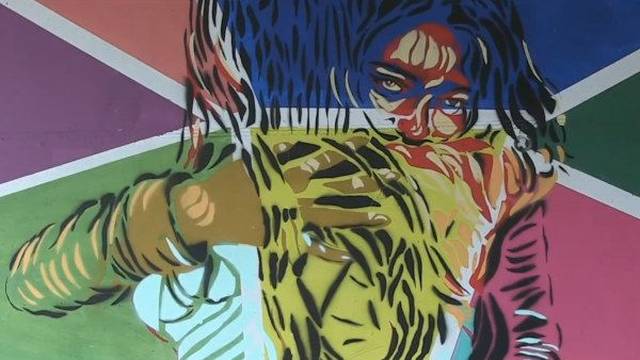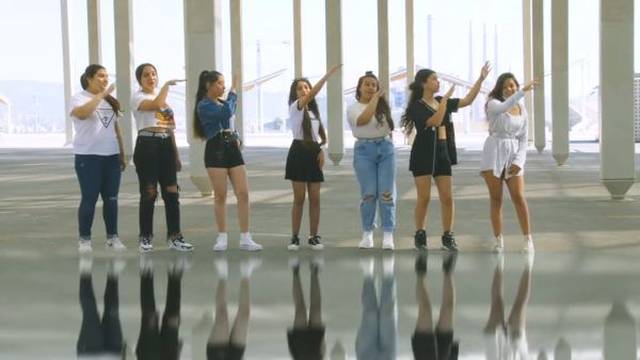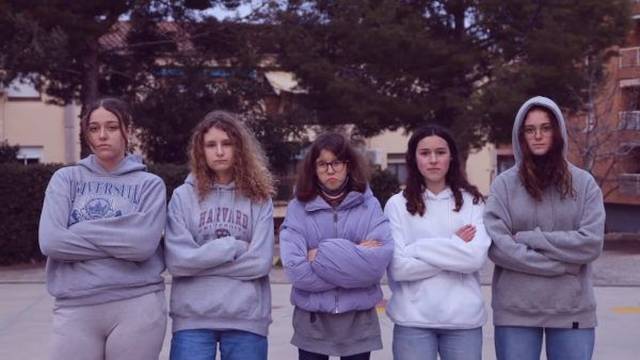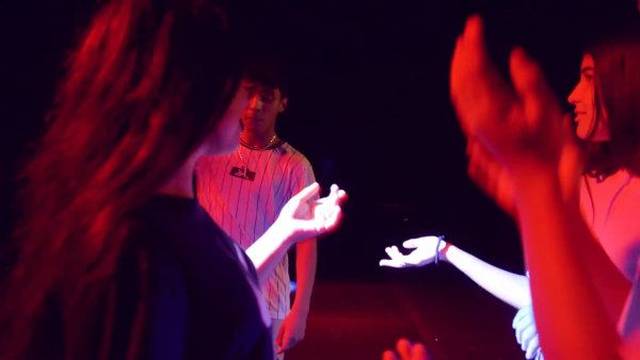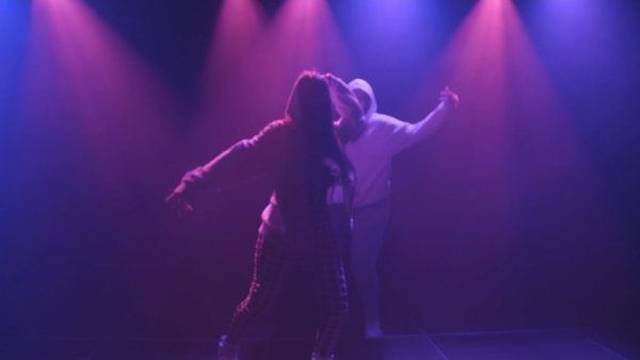
Trap, with its unfiltered lyrics and borderline sound, has become a space where traperos challenge traditional roles. From the streets, they claim their place with historically masculine attitudes: swagger, sexual freedom and exhibitionism, breaking the model of the modest woman.
The training process accompanies young people from the conceptualisation of lyrics through to the recording of songs and music videos. The training project features the participation of rappers such as Elane Meta, Blau Cubarsi, Sofía Gabanna, Massiva Lulla, Mery Lopezz and Ombra Alor, among others.
Who is it aimed at?
- Secondary school classes with young people aged 12 to 18.
Objectives
- Using trap music as a tool to challenge traditional female roles (modesty, submission) and promote alternative models: sexual freedom, empowerment and visibility.
- To analyse how trap, as an artistic expression, reflects the social and emotional reality of young women, connecting with their unfiltered experience of the truth.
- Creating spaces (such as on ‘cámeresiacció’) to discuss the cultural impact of trap: Is it a form of resistance? How does it influence the construction of non-normative identities?
- To highlight the role of the ‘traperes’ as agents of change, using the very language and attitudes that have historically been associated with men to claim their place.
- To use music as a starting point for reflecting on machismo, individualism and collectivity in today’s society.
Implementation methods
- We adapt to the needs and possibilities of the group or organisation that submits the proposal to us.
- We can run processes from a single four-hour session to five two-hour sessions, completing them within a month and a half of the project. Finally, we can hold ten two-hour sessions for quarterly processes.
All the videos for the aTRAPant masclismes project have been conceived and produced collaboratively by the participants in the processes.